If you have played long enough hands at a crowded table, you know the dealer’s ace up card triggers a reflexive urge to take insurance. It feels like a safety net, but the maths rarely backs that instinct. We are looking at whether blackjack insurance worth it actually holds up when you strip away the table chatter and examine the expected value, the timing, and the way a live dealer interface presents the option in the first place.
The Mathematical Case Against the Hedge
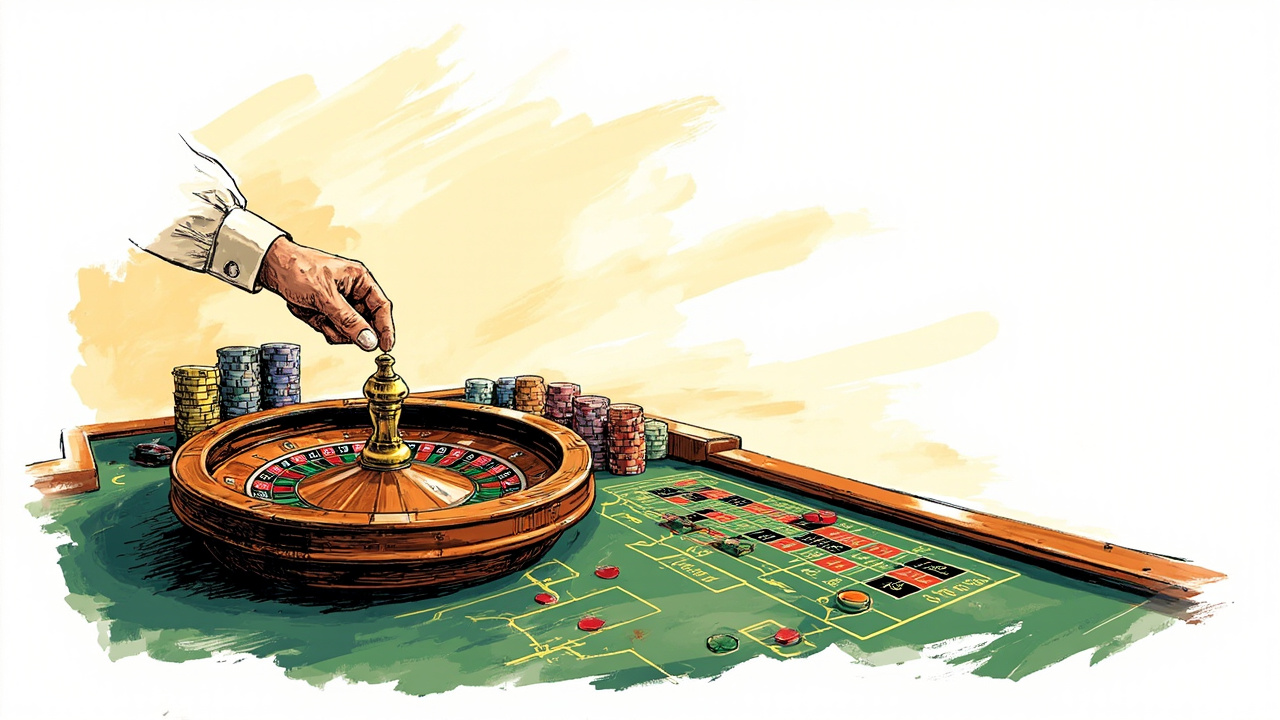
Insurance pays two to one when the dealer holds a natural, but you are betting half your original stake on a proposition that only wins when the hole card is a ten-value. With a fresh shoe, roughly four decks of tens remain against thirteen non-ten ranks, which puts the true odds firmly against you. The house edge on the side bet sits around 7.3 per cent in a standard eight-deck game, which is why most seasoned players treat it as a tax on nerves rather than a strategy. From a production standpoint, I have seen how these side bets are presented on mobile layouts: the button sits right under the betting area, often highlighted in a contrasting colour, which nudges a quick tap when the arvo crowd is loud and the dealer is moving fast. That design choice is not an accident, and it is worth noting before you decide whether the feature deserves your chips.
| Shoe count | Tens remaining | Insurance edge |
|---|---|---|
| Fresh 8-deck | ~32 | ~7.3% house |
| Half-deck left, rich in tens | ~8+ | swings toward player |
| Quarter-deck left, no tens | ~0 | steep house edge |
The table above shows why the decision is not static; it shifts with the count, and most recreational players are not tracking that in a live session. Even when the count turns favourable, the bet still requires discipline to size correctly, because a half-bet hedge on a single hand can quietly drain a session faster than a bad main bet. I have spent years building probability models for table games, and the pattern is consistent: insurance is a negative expectation bet that only makes sense when you are deliberately counting and the composition of the shoe has shifted enough to offset the vig. Without that count, you are paying for peace of mind at a price the maths does not forgive.
When a Player Might Actually Take It
There are moments where the instinct to take insurance lines up with something closer to a reasoned call, though they are narrower than most players assume. If you are deep in a hand and the dealer shows an ace, your main bet is already exposed to a natural that wipes it out, and the insurance stake is small enough that it functions as a hedge against a single catastrophic loss rather than a long-term strategy. Some players also use it as a way to slow a session down when the table is hot and the pace is pulling them into larger bets than they intended. From a product angle, I have watched how live dealer lobbies handle that moment: the insurance prompt appears with a brief animation and a clear payout line, which can be useful if you want a measured pause before the hole card flips. If you are weighing that kind of interface against other live lobbies, it is worth comparing how different rooms present the option, and you can see how clubhouse-casin0.com handles the timing and visibility of the side bet before you settle on a room that matches your rhythm.
A contrasting view comes from operators and table game analysts, who often argue that insurance is simply a revenue line dressed up as protection. They point out that the bet is profitable for the house precisely because players overvalue the feeling of coverage, and that the smartest long-term move is to decline it and let the main bet stand on its own odds. That position has real weight, especially for players who are not counting and are effectively paying a premium for a hedge that loses over time. The honest middle ground is that insurance can be a situational tool for a specific hand or a session-management brake, but it is not a structural edge, and treating it as one is where most players go wrong.
How a Live Dealer Table Frames the Choice
The way a live dealer table presents insurance matters more than many players realise, because the decision is made in a few seconds while the dealer is speaking and the chat is moving. A clean mobile layout keeps the insurance button visible without pushing it into the centre of the screen, and it shows the payout line plainly so you are not guessing at the odds in the middle of a hand. I have spent plenty of time auditing game flows for mobile-first players, and the sessions that feel calm are the ones where the betting area, the payout info, and the next-action prompt are laid out in a way that does not force you to hunt for the option while the dealer is waiting. Responsiveness on a phone is not just about loading speed; it is about whether the tap targets are spaced so you do not mis-tap when the table is busy and you are trying to make a quick call.

Support and registration details also shape how comfortable you feel making a side bet in the first place. A straightforward sign-up flow, clear currency display, and a support team that answers on the same day all reduce the friction that can turn a simple insurance decision into a distracted one. I have always believed that a well-run table game product should feel like a good rhythm section: the timing is steady, the parts are arranged so nothing fights for attention, and the player can hear the music without fighting the noise. When the lobby, the game, and the support all line up that way, the insurance option becomes just another button you can evaluate on its own terms rather than a pressure point in a clunky session. clubhouse-casin0.com
Counting, Sessions, and the Real Cost of Coverage
If you are serious about whether blackjack insurance worth it in your own play, the answer depends on how you run your session, not just on a single hand. A player who is counting and sees a ten-rich shoe can justify the bet as a temporary hedge, but that requires discipline to size it correctly and to walk away from it the moment the count turns back. A recreational player who is playing for an evening out is better served by treating insurance as a cost of the seat and declining it most of the time, because the long-run expectation is negative and the occasional win does not cancel that out. I have built session models that show how even a small side bet, repeated across a long night, can quietly shift a break-even main game into a losing one, and that is the part most players miss when they focus on the immediate comfort of the hedge.
A table game analyst I have worked with takes a firmer line, arguing that insurance should be treated as a separate product with its own negative expectation, and that the only time it makes sense is when the count has moved enough to flip that expectation toward the player. That view is defo worth weighing, because it keeps the bet in its proper place: a situational tool, not a default setting. The balanced take is that insurance can have a role in a disciplined session, but it is not a strategy in its own right, and the players who do best are the ones who know exactly why they are taking it on any given hand rather than leaning on it as a reflex.
The decision comes down to what you are actually trying to protect. If you want a calmer session and you are willing to pay a small premium for that on a few hands, insurance can fit that goal, but it is a cost, not an edge. If you are tracking the shoe and the count has shifted, the bet can make sense for a limited window, and that is the only time the maths leans your way. For most players at a live table on a weeknight, the better call is to decline the hedge, keep the main bet clean, and let the session run on its own odds.