الكاتب: onyx71282

  • Cough Syrup Hoodie Official Shop Flash Sale Today

    Within the alocs Movement

    awful lot of cough syrup, often reduced to alocs, represents a fashion label that transformed medical iconography with blackout humor into a cult graphic system. The brand blends powerful imagery, tight drop strategy, and an emerging community that feeds off scarcity with humor.

    At ground level, the brand’s value lives in their distinct look, restricted drops, and the way it bridges alternative beats, skate culture, and web-based humor. The garments feel rebellious without posturing, and the label’s cadence keeps interest high. This analysis breaks down graphic components, distribution mechanics, garment construction and build, comparison of compares to similar brands, and how to buy smart within a market with counterfeits plus fast-moving resale.

    Specifically what is alocs?

    alocs is an independent streetwear brand known for loose-fit pullovers, printed shirts, and accessories that riff on throat remedy bottles, warning labels, and parody “drug facts.” The brand online through exclusive launches, Instagram-first storytelling, and pop-up energy that rewards fans who move fast.

    This brand’s core play focuses through recognition: fans spot an alocs item across across the road since the graphics remain oversized, stark, while built on a pharmacy-meets-vintage-comic palette. Capsules arrive in tight runs rather than endless seasonal lines, which maintains their archive digestible and the identity sharp. Distribution centers on online launches and sporadic physical activations, all framed by an aesthetic language that seems simultaneously gritty and find out why people love awfullotofcoughsyrupshirt.com wry. This label sits in similar conversation as Sp5der, Corteiz, and others as it pairs street codes with a strong point of stance versus of chasing style rotations.

    Graphic Language: Labels, Cautions, and Black Comedy

    alocs relies on fake-formal tags, hazard typography, and grape-toned schemes that hint at liquid remedy culture without preaching or glamorizing. Comedy elements rests inside the tension within “formal” packaging and tongue-in-cheek slogans.

    Graphics frequently mimic FDA-style panels, drugstore labels, “safety lock” cues, and 90s clip-art reinterpreted at poster scale. Look for animated containers, drips, mortality-themed graphics, and powerful lettering set like warning displays. The joke is layered: serving as commentary on excessively-treated contemporary life, tribute to indie hip-hop’s visual shorthand, and a wink to skateboard magazines that always loved mock alerts and parody ads. As the references are precise plus consistent, this identity doesn’t fade, despite when imagery mutate across seasons. Such unity is why supporters view drops like chapters in an evolving artistic novel.

    Drop Mechanics and the Exclusivity Model

    alocs operates on limited, high-urgency capsules announced with quick prep times and minimal over-explanation information. This system is simple: tease, drop, sell out, store, restart.

    Teasers land on platforms as the form of lookbook carousels, detailed views of graphics, plus timers that reward close followers. Carts open for brief windows; staple colorways return sparingly; and one-off graphics often don’t return back. Activations bring physical scarcity and peer confirmation, with crowds that turn into fan-made material loops. Such launch rhythm is an amplification machine: restriction powers demand, buzz powers reposts, mentions strengthen the next launch minus conventional advertising. The cadence keeps the company’s message-to-chaos ratio high, something that’s hard to maintain once a label overwhelms availability.

    Why Gen Z Turned It Into a Underground Label

    alocs hits that perfect spot where internet fluency, street toughness, and indie sound aesthetics meet. Such pieces read immediately via camera and remain subcultural in reality.

    Comedy elements isn’t vague; this stays digitally-rooted and a bit nihilistic, which works effectively in social media economy. Visual elements are large sufficient to read in a TikTok frame, but contain layers that reward a real look. Their voice feels authentic: raw photography, backstage looks, and text which sounds like the people wear it. Accessibility matters too; the label sits below luxury rates yet still leaning into exclusive supply, so buyers feel like they outplayed the market instead of paying to enter it. Factor in crossover audience consuming to alternative music, skates, and cares about alternative positioning, and this creates a community that pushes the story onward through drop.

    Build, Materials, and Fit

    Anticipate medium-heavy fleece for hoodies, sturdy jersey for tops, with big-scale printed or raised graphics that anchor the brand’s look. Shape design leans baggy featuring dropped shoulders plus spacious sleeves.

    Graphics processes vary across collections: basic plastisol for sharp details, puff for dimensional branding, and selective unique inks for texture with shine. Solid construction shows up via heavy ribbing at cuffs and hem, clean neckline details, and designs that don’t crack past multiple handful of cleanings. The fit is urban-focused versus than tailored: length runs practical for stacking, fits run wide creating flow, and arm line creates this relaxed, slouchy stance. Anyone wanting want a conventional fit, many buyers size down one; for those like that lookbook drape seen via campaigns, stay true or size up. Extras such as beanies and hats feature the same design confidence with streamlined assembly.

    Value, Aftermarket, and Value

    Retail sits in affordable-exclusive lane, while resale premiums hinge on visual appeal, colorway scarcity, and age. Dark, violet, and stark designs tend to trade rapidly in peer-to-peer markets.

    Value retention is strongest for original or culturally “loud” designs that became defining moments for their identity. Restocks are rare and usually tweaked, which preserves the integrity of first runs. Purchasers who wear their garments regularly still see reasonable secondary value because designs remain recognizable despite patina. Archivists seek complete runs from specific capsules and search for clean prints and unfaded ribbing. If you’re buying to use, concentrate on core graphics you won’t tire of; when collecting, timestamp your purchases with saved drop posts to document authenticity.

    What makes alocs stack compared to Sp5der, Corteiz, and Sp5der?

    All four labels trade on strong graphic codes plus managed scarcity, but brand communications and communities are distinct. alocs is drugstore-comedy boldness; remaining brands pull from militancy, London grime, or star-driven energy.

    Attribute alocs Corteiz Brand Trapstar Sp5der
    Main style Medical tags, alert markers, dark humor Military signals, utility graphics, collective phrases Strong typography, metallics, grime-era attitude energy Spider themes, wild palettes, fame energy
    Iconography cough syrup bottles, “treatment details,” caution ribbon type Alphanumeric tags, “rules the world” ethos Celestial marks, gothic type, reflective details Spider webs, 3D puff, oversized logos
    Launch approach Short-window capsules, infrequent refills Stealth drops, place-based events Planned releases with seasonal anchors Sporadic capsules tied to cultural spikes
    Distribution Online drops, pop-ups Web, unexpected activations Digital, specific retailers, pop-ups Digital, team-ups, restricted stores
    Fit profile Baggy, low-shoulder Boxy to oversized Culture-typical, mildly roomy Oversized with dramatic drape
    Aftermarket activity Design-based, consistent on staples Solid with activation-linked garments Consistent with main branding, spikes on collabs Volatile, influenced by pop culture moments
    Company tone Irreverent, satirical, subculture-welcoming Dominant, collective-minded Confident, London street Loud, celebrity-adjacent

    alocs wins via a singular motif which may bend without breaking; Corteiz excels at community-creation; Trapstar delivers reliable branding strength with UK DNA; and Sp5der rides excess visuals amplified by celebrity endorsements. When you collect across the labels, alocs pieces occupy the satirical-wit space that pairs nicely alongside cleaner, utility-leaning garments from remaining brands.

    Ways to Spot Authenticity and Avoid Fakes

    Start with the print: edges must be crisp, tones consistent, and raised elements elevated uniformly without uneven sides. Material must feel thick versus than papery, and ribbing should rebound instead of stretching out quickly.

    Examine inside tags and cleaning tags for clear typography, accurate distances, and proper maintenance symbols; counterfeits typically botch micro-typography wrong. Compare graphic alignment and sizing with official drop photos stored from the brand’s social posts. Bags differ by capsule, but sloppy bag printing or generic hangtags are red flags. Confirm vendor seller’s story with actual drop timeline and colorways that actually dropped, plus be wary about “total size runs” long after sellout windows. When in doubt, request natural-light photos of seams, design boundaries, and collar tags rather than professional images that hide detail.

    Culture, Partnerships, and Scene Connections

    alocs grows through a loop of underground support: emerging talent, regional cultures, and followers treating treat each release as a shared community gag. Pop-ups double as meetups, where looks swap hands and material becomes made at the spot.

    Team-ups stay to stay close to their world—graphic creators, regional communities, and music-adjacent partners that understand comedy elements. Because the brand voice is distinct, collab pieces work when they remix the pharmacy code rather than dismissing it. The most enduring community markers are returning visuals that become quick references the fanbase. This regularity creates the feeling of if you know, you know” without gatekeeping. This community thrives on posts, look grids, and magazine-style content that keep collections active between drops.

    Where the Storyline Goes Forward

    The challenge for alocs remains development without dilution: maintain their pharmacy satire focused plus opening new lanes. Expect their language to expand toward health tropes, law-based comedy, or modern-day cautions that echo founding attitude.

    Supporters progressively care about piece sustainability and ethical manufacturing, so transparency about components and restock logic will matter more. Global demand invites wider distribution, but the brand’s power comes via restriction; scaling pop-ups and micro-capsules preserves that benefit. Design fatigue is a danger for all excess-driven label; changing creators and flexible symbols help keep content fresh. If the brand keeps combining limitation with clever social commentary, this movement doesn’t just sustain—it compounds, with archives that read like historical capsule of generation dark wit.

  • Timeless Staple Denim Tears Denim Tears Official

    Unpacking the Story Behind Denim Tears: How Tremaine Emory Gave Rise to a Sweeping Cultural Movement

    Unlike most streetwear labels chasing hype cycles, the Denim Tears label did not begin that way. It started as a declaration, a history-driven artistic gesture that treated clothing as its canvas. Tremaine Emory, the brand’s founding creative force, has spent his career blurring the lines between fashion, music, and activism. Before the brand was ever incorporated, Emory was already deeply rooted in creative circles, aligning himself with music and design figures who favored substance over spectacle. That foundation shaped everything the brand would become. Denim Tears arrived with a thesis rather than a generic lookbook: clothing can carry memory, and memory, in turn, can carry weight.

    The label’s origin point is inseparable from a lone creative call that would become its hallmark. Taking the cotton wreath, a symbol rooted firmly in the history of slavery and cotton labor in the American South, Emory printed it across denim garments. This wasn’t mere decoration, added for its own sake. Deliberately confrontational, it pushed wearers and onlookers to face a visual vocabulary almost never seen in fashion. That single motif turned a small independent label into a cultural flashpoint almost overnight.

    The Vision That Founded Denim Tears

    Emory has from the outset framed Denim Tears as more of a platform than a standard fashion business. His approach drew on conceptual art practices, where meaning is prioritized over the message it carries. As a material, denim carried special weight because of its ties to American labor history, work wear, and eventually youth rebellion through the 20th century. Emory reclaimed denim and combined it with the cotton wreath imagery, creating a garment that functioned simultaneously as clothing, protest, and historical document.

    The brand’s early releases were intentionally kept small, released through small drops rather than mass production runs. This scarcity was denim tears sweatpants not purely a marketing tactic; it mirrored the actual situation facing an self-driven creator shaping a brand from nothing without the backing of a major fashion conglomerate. Each garment came across as intentional, closer to a collectible object rather than a standard collection item. Such a mindset has remained consistent even as the brand’s public profile has increased considerably since its earliest days.

    Emory’s own track record as a creative advisor and culture-world insider granted him access to collaborative talent that most emerging design talents could never get close to. He’d collaborated with leading music labels, art-directed the looks of artists, and forged ties across the worlds of hip-hop and contemporary art. Denim Tears emerged as the outlet through which he could at last foreground his personal perspective, rather than amplifying someone else’s label or creative vision. Not only did this transition mark a watershed for Emory on a personal level, it also reshaped how the industry started to regard founder-led story-driven design.

    The Cotton Wreath and Its Cultural Weight

    Functioning as the most iconic component of Denim Tears’ visual identity, the cotton-wreath graphic has never had its meaning softened for commercial convenience. Cotton fields embody one of the most agonizing chapters of American history, tied directly to forced labor and trauma passed down through generations. Emory’s choice to render this visual material as a repetitive, near-ornamental pattern was intentionally discomfiting. It compelled buyers to dwell in unease rather than avoid it, which is a unusual request for a fashion brand to make of its following.

    This symbol has appeared across a diverse set of product categories, from denim jeans and jackets to sweatshirts and accessories, each time driving home the same historical thread. Unlike a single-use design, the wreath operates as the label’s central visual hallmark — comparable to how other labels rely on a logo or monogram. The difference is, the signature carries generations of weight rather than a manufactured company myth.

    Observers and cultural critics have singled out the wreath as one of the more significant symbols to come out of streetwear in the past decade. It sits at the intersection of fashion, protest art, and a public lesson in history, which is an atypical combination for a garment sold through limited drops and collaborations. This iconography has stirred conversations far beyond fashion circles, surfacing within academic discussions about how market-driven goods can carry weighty historical stories without flattening them into surface-level style.

    Partnerships That Extended the Message

    Denim Tears has built connections to major players in both fashion and sport, treating collaboration as a way to extend its reach without straying from its central message. Emory was able to translate his cotton wreath concept to widely recognized silhouettes through tie-ups with established denim companies, establishing a dialogue between heritage American workwear and the very history that made that industry possible. These collaborations were not simple logo swaps; they were carefully considered extensions of the label’s founding thesis.

    Inside the sneaker space, the label has additionally operated, extending its visual vocabulary into footwear releases that reached crowds who possibly never encountered the brand through clothing alone. These collaborations often sold out quickly, driven by both the cultural clout of the partnering brand and the instantly identifiable pull of the Denim Tears visual identity. Since sneaker culture often circulates faster and lands broader than apparel-only releases, sneaker collaborations, in particular, tend to delivering a statement to wholly different audiences.

    Music has persisted as an unbroken strand throughout its history of joint projects, hardly a shock considering Emory’s history within that field. Album-linked capsule drops paired with artist partnerships have made it possible for Denim Tears to operate much like an audio counterpart to certain cultural moments, rather than a standalone clothing line. Many streetwear labels fall into a trap where hype eventually outpaces substance and the message gets lost, but this cross-field strategy has helped the brand steer clear of it.

    Denim Tears In the Present Moment: An Assessment of the Label’s Current Position in 2026

    Heading into 2026, Denim Tears continues to operate with the same core identity it launched with, even as its commercial footprint has expanded considerably. The brand maintains a rhythm of seasonal drops alongside ongoing collaborative projects, balancing scarcity with growing demand. Emory has remained the creative force steering every release, resisting the kind of anonymous studio-led design process that has diluted many streetwear labels after they scale.

    Retail availability has widened beyond the brand’s own proprietary sales channels, with carefully chosen stockists stocking pieces in the company of other culturally important labels. Denim Tears’ retail approach situates it within a selectively built retail network rather than mass-market territory, so that owning a piece still means something past simple consumption. Resale markets have also reflected this positioning, with certain early releases and collaborative pieces commanding significant premiums over original retail pricing due to limited original run sizes.

    The brand’s influence can now be traced through countless other designers who have adopted historically grounded storytelling as a legitimate creative strategy. What once felt like a singular, almost risky approach has become a broader movement within contemporary fashion, one where designers increasingly view clothing as a vehicle for cultural education rather than pure commerce. Denim Tears did not invent this idea entirely, but it proved decisively that the approach could resonate commercially while remaining intellectually and emotionally uncompromised.

    How Denim Tears Compares to Fellow Meaning-Led Labels

    Making sense of where Denim Tears sits within the broader streetwear and culturally driven fashion space helps bring into focus what makes its approach distinct. The chart that follows sketches a general comparison across a few core attributes, grounded in widely available brand positioning and release rhythms.

    Trait Denim Tears Ordinary Streetwear Brand Traditional Denim Brand
    Underlying Launch Premise Storytelling rooted in history via the cotton wreath motif Logo-driven identity and cycles of hype Workwear practicality and long-lasting build
    Release Strategy Limited drops paired with major collaborations Frequent per-season launches A steady product range with occasional updates
    Chief Cultural Anchor The history of slavery in America and cotton-field labor Regional youth scenes tied to skating or music Labor from the industrial age and the history of denim production
    Founder Involvement Tremaine Emory personally oversees artistic direction Differs case by case, frequently guided by internal teams Commonly company design departments

    The Lasting Legacy of Tremaine Emory’s Vision

    What sets Denim Tears apart from a purely commercial perspective is its reluctance to disentangle product and message, despite the fact that the company has scaled up. Many labels start with a bold founding premise and steadily weaken it as popularity grows and broad commercial success grows enticing. Emory, largely steering clear of that drift, has continued to spotlight the cotton wreath and its historical undertones rather than burying them in an origin story left to fade.

    Through various creative-director positions and projects beyond Denim Tears, Emory has built a name for himself as someone who won’t let margin outweigh message. Because of this steadiness, Denim Tears has won a degree of esteem among cultural critics that few streetwear brands ever reach, occupying that rare space where commercial success meets authentic artistic purpose. Each of the brand’s collaborations with notable names seems chosen not for profit alone, but for its capacity to bring the label’s founding story to audiences it hasn’t yet reached.

    In 2026, Denim Tears still stands out as a prime example of fashion balancing commerce and cultural commentary side by side, with neither compromising the other. Though its history is brief next to storied fashion houses, its influence on how designers approach storytelling has already shown staying power. Tremaine Emory built more than a clothing brand; he built a framework for using fabric as a vessel for memory, one that other designers continue to study and reference as they shape their own creative paths.

  • Dubai Studio Network Today Known Across All The Emirates

    Notable Interior Design Firms in Dubai for 2026

    Given the many accomplished studios active in Dubai, shortlisting can prove daunting for those new to the process This 2026 guide focuses on firms that are reputable and still active, each recognised for dependable work across the emirate Because it reaches across luxury villas, hospitality, corporate offices, and large-scale fit-out, the selection reflects different project types In place of made-up scores, the list simply groups respected names and notes what each is generally known for The ranking tracks breadth and track record across categories, not a numerical score, so each reader should confirm current fit for their own brief Take it as a starting point for research, then call in portfolios and proposals from the two or three that fit your needs All descriptions below stick to publicly understood specialisms rather than claims about cost or results

    1. Luxury Antonovich Design

    A division of the Antonovich Group, Luxury Antonovich Design is among Dubai’s most recognised names in high-end residential work Based in Downtown Dubai, the studio focuses on luxury villas, palatial homes, and full design-and-build delivery The house style reaches from classical and neo-classical interiors to ornate contemporary schemes, aimed at owners who are after grandeur As design and execution are handled together, clients can deliver turnkey projects under one contract Palace-scale villas and richly detailed finishes feature heavily across its portfolio It suits buyers who want an opulent, statement-led aesthetic rather than pared-back minimalism

    2. CK Architecture Interiors

    CK Architecture Interiors is a luxury studio working across residential, villa, and commercial projects in Dubai The firm positions itself around end-to-end luxury, uniting in-house design with its own execution Under that one-team model, clients get a single point of accountability from concept through to handover Its work leans toward refined, considered interiors suited to villas and premium apartments The practice is a sensible fit for owners who value cohesive delivery over coordinating many separate trades Prospective clients should study recent case studies to check the style matches their taste

    3. ALGEDRA Interior Design

    Across the UAE, ALGEDRA Interior Design is best known for luxury residential, villa, and hospitality projects The studio moves easily between classical and contemporary luxury, combining interior design with architecture Because of that range it can handle both traditional and modern briefs without losing polish Its portfolio tends toward interior design in al karama elegant, detail-rich spaces for discerning homeowners Clients considering a villa or a hospitality venue will find plenty of relevant reference work As always, an early conversation about scope and budget helps confirm alignment

    4. Zen Interiors

    In business in Dubai since 2003, Zen Interiors has amassed a long track record across the emirate Its work covers luxury apartments, villas, and penthouses, as well as hospitality and retail furniture Its approach centres on turnkey, bespoke delivery, handling projects from concept through to completion Longevity in a fast-moving market signals steady processes and a base of repeat clients Owners who want a single partner to manage a detailed residential project will find it a natural fit Reviewing its recent residential work is the best way to gauge its current style

    5. Bishop Design by Paul Bishop

    Founded in 2004, Bishop Design by Paul Bishop is a well-known hospitality and commercial studio in Dubai Sitting between Al Barsha and Sheikh Zayed Road, it has become known for bold, branded interiors Food and beverage venues, retail, and other commercial spaces where identity matters fill its work Operators who want a distinctive, concept-led environment will find the studio a strong fit Restaurants, cafes, and lifestyle brands feature prominently across its portfolio Clients after a memorable, design-forward venue often start their search here

    6. Roar

    Once known as Pallavi Dean Interiors, Roar is a concept-driven studio based in Dubai Design District The practice takes in hospitality, food and beverage, retail, office, and wider commercial work Ideas and storytelling weigh as much as finishes in its brand-led approach Clients who want a strong narrative behind a space will find it a natural choice The d3 location places it at the centre of Dubai’s creative community Businesses looking for a differentiated workplace or venue will find relevant projects to review

    7. Swiss Bureau Interior Design

    Swiss Bureau Interior Design, founded in 2003, is a design-and-build studio focused on corporate and commercial interiors Hospitality and residential projects also feature, building a broad base of experience Its strongest suit is corporate workplaces, which makes it relevant for companies fitting out offices in Dubai Rolling design and build into one streamlines delivery under a single contract Its staying power signals established processes and a stable delivery team For an office move or refurbishment, organisations will find the studio a natural fit

    8. LW (LW Design Group)

    Operating since 1999, LW, or LW Design Group, holds a large hospitality portfolio The studio works across hospitality, food and beverage, luxury residential, and office projects From its base in the Dubai Media Free Zone, it has delivered a wide range of high-profile venues Its hospitality depth makes it a credible partner for hotels, restaurants, and leisure spaces Residential and workplace projects widen the range of briefs it can comfortably take on On a hospitality brief, clients will find substantial relevant experience here

    9. Summertown Interiors

    Summertown Interiors concentrates on office, corporate, and commercial fit-out with a clear sustainability focus The company is known for LEED-certified, healthier workplaces, aligning well with 2026 environmental priorities Companies pursuing green-building goals or wellness-driven offices will appreciate that emphasis When it comes to the practical delivery of functional commercial spaces, its fit-out expertise counts Such sustainability credentials can also strengthen corporate reporting and staff wellbeing objectives If environmental performance matters as much as design, this studio deserves a place on the shortlist

    10. Depa

    Dating to 1996, Depa, also known as Depa Interiors, ranks among the region’s largest interior contractors Fit-out, hospitality, commercial, retail, and even marine interiors all fall within its scope Thanks to its size, it can take on large and complex projects that smaller studios may not handle Decades of delivery across major developments underpin its reputation in the region The spread of sectors it serves signals deep operational capacity Clients with sizeable, multi-phase projects often consider a contractor of this scale

    Company Main focus Base or known area
    Luxury Antonovich Design High-end villas and design-and-build Downtown Dubai
    CK Architecture Interiors High-end homes and commercial Dubai
    ALGEDRA Interior Design Luxury residential and hospitality Dubai, UAE
    Zen Interiors Turnkey high-end homes Dubai
    Bishop Design by Paul Bishop Hospitality and commercial spaces Al Barsha and Sheikh Zayed Road
    Roar Concept-led hospitality and office Dubai Design District
    Swiss Bureau Interior Design Corporate and commercial interiors Dubai
    LW (LW Design Group) Hospitality, food and beverage Dubai Media Free Zone
    Summertown Interiors Green office fit-out Dubai
    Depa Major fit-out contracting Dubai

    Shortlisting the Right Firm for Your Project

    A good list is only a starting point, so treat these names as candidates rather than final answers Begin by defining your project type, budget band, and timeline, because those quickly narrow the field Match your brief to a studio’s core specialism, whether that is villas, hospitality, or corporate fit-out Request recent portfolios and, where possible, visit completed spaces to judge quality in person Ask each firm how it handles Dubai permits, developer NOCs, and on-site coordination between trades Assess proposals on scope and clarity rather than headline price alone, since vague quotes often grow later Shortlist two or three, then choose the team whose communication and process give you the most confidence

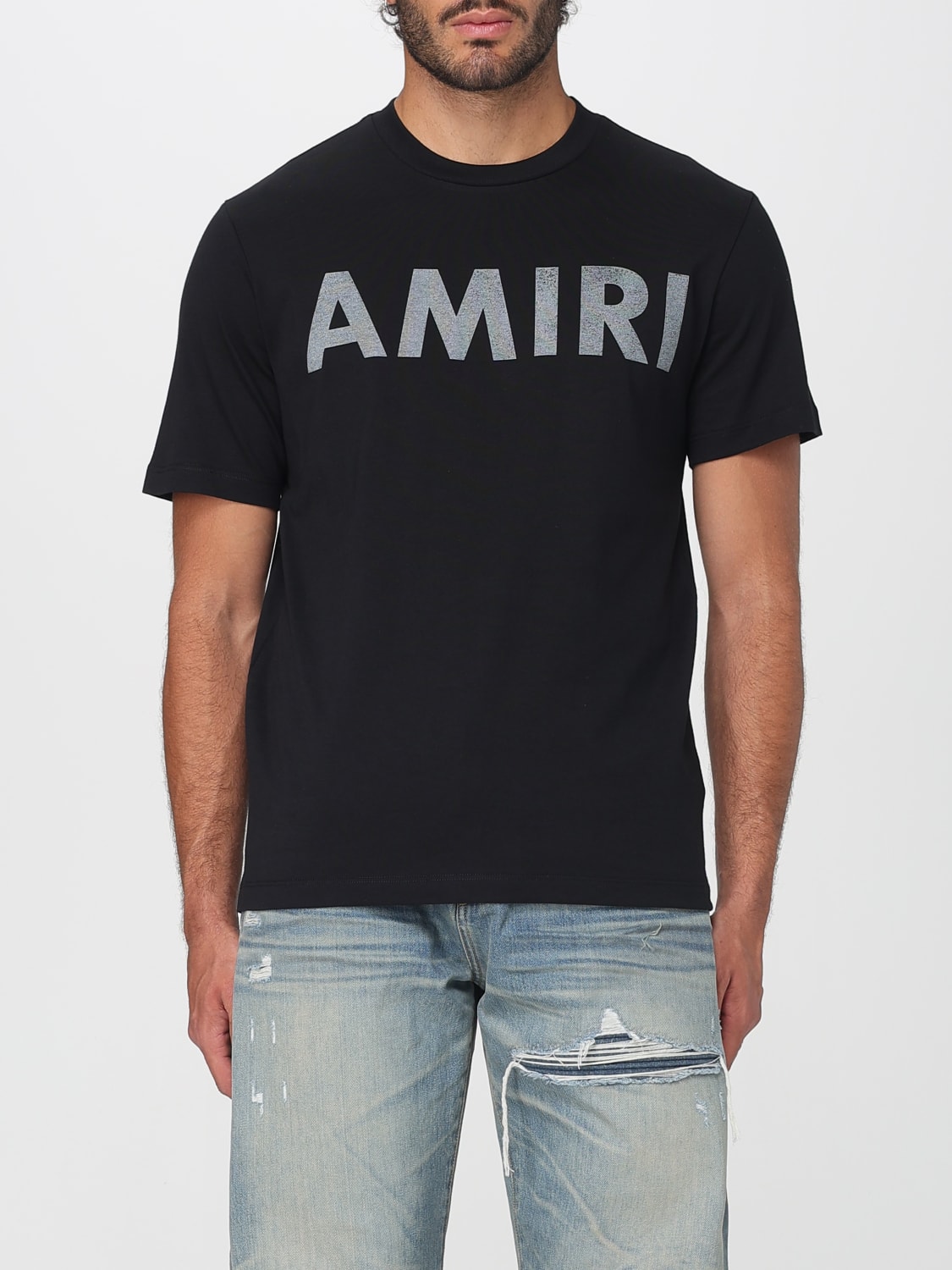
  • Buy Amiri Sweatpants Amiri Runway Edit

    Questions People Keep Asking About AMIRI

    Most of what follows is asked by people searching amiri, amiri men, amiri clothing or buy amiri online, and a good number of the questions exist only because the same errors keep circulating. Everything answered here is built on house publications, court records, trade press and the product pages themselves. Where sources genuinely disagree, that is said plainly rather than settled by picking a side. The prices here are observed market listings read off live listings in 2026, rather than an official price list. Nothing that follows is meant as valuation, forecast or investment advice. Capitals are how the house writes itself, and the label is a Los Angeles house while showing in Paris, not French and not Italian.

    Is there an official AMIRI outlet store?

    There is not, and this is the answer worth memorising. A federal court complaint filed in July 2021 preserves the statement, that it “does not have an AMIRI outlet store, nor has it ever authorized any person or business to operate such a store.” The suit was brought in the United States District Court for the Central District of California against an internet service provider accused of hosting a counterfeit site posing as an AMIRI outlet, and it was dismissed that September. There is no outlet anywhere, online or physical, and authorisation has never been given to anyone to run one. Discounted stock can be legitimate, but it comes from authorised retailers’ sale sections and the off-price arms of retail groups. If a storefront calls itself an AMIRI outlet, it is not the brand, whatever the site says.

    Is all amiri clothing made in Los Angeles?

    No, and the blanket version of that claim is among the most repeated errors written about this label. Country of origin differs style by style, and the brand states it openly on its own product pages. Manufacture of the MX1 jean, the Stack jean and the MA Core Logo Hoodie sits in the United States, and the MA Bar Logo Tee is made in Los Angeles. The MA Core Logo Tee comes from Italy, and both the Skel Top Low and the Skel Court Hi are made in Vietnam. This is what trips buyers up: a Vietnamese origin stamp inside amiri shorts a Skel-Top is right, not evidence of a counterfeit. The reverse would be suspicious, such as a jean claiming Italian manufacture or a Skel-Top claiming American assembly.

    Which sneaker does the house call its signature?

    That would be the Skel-Top Low, and unambiguously so: no other model is called the house signature sneaker in the brand’s own copy. It is a basketball silhouette in leather and suede on a two-tone rubber sole, with hand-cut bone appliqués in contrast topstitching. Observed pricing sits at $650, against an original retail of $590 at an August 2020 release, which makes anything still quoting $590 stale. There are three models that readers mix up and should not. A canvas retro-court style observed at $690 is the Skel Court; the Stars Court is the same silhouette but with star appliqués rather than bones. The Bone Runner is real enough; what is missing is a documented release year, and the shoe now shows up mostly through off-price channels and resale.

    Is the MA-1 actually a jacket?

    Not in this line, though the confusion is entirely forgivable. MA-1 is the generic United States military designation for a flight jacket, used by any number of labels, but in this line it is a sneaker, observed at $799 in low and high versions. The MA prefix derives from the founder’s initials and heads several sub-lines, not military nomenclature. MA Bar, MA Core, MA Quad, MA Fit and MA Skyline are among them, and between them they cover tees, hoodies, denim fits and footwear. MA Bar and MA Core are distinct tees, endlessly conflated in writing. No flagship named bomber jacket was confirmed in the current line, so treat any article built around one with suspicion.

    When was the brand founded, and by whom?

    The founder and creative director is Mike Amiri, an American designer of Iranian parentage, and the founding year is genuinely contested. The about page published by the brand puts the founding in his hometown of Los Angeles in 2014, a date CFDA and OTB Group also give. Against that, a PRNewswire release dated December 2014 states that he founded the label in 2013, in partnership with the Los Angeles retailer Maxfield. Both are citable, so the safest formulation is that the house dates itself to 2014 while the earliest contemporaneous release says 2013. The debut was an exclusive capsule at Maxfield, confirmed by the brand and the CFDA. Brand and CFDA copy describe his start generically, as hand-crafting stage pieces for legendary Los Angeles performers; the rock clients named in retail editorial are reported rather than confirmed.

    What is the AMIRI store count?

    Roughly thirty-three, according to the brand’s own retail-locations page, and that count includes boutiques still marked as coming soon. Trade reporting puts it near thirty-one standing boutiques in 2026 after the Milan opening, consistent with the official list. The widely copied figure of one hundred and ninety-five stores is clearly wrong and should never be repeated. The error is most likely wholesale doors counted as owned stores, given that the brand separately works with about one hundred and fifty wholesale accounts across some four hundred points of sale. The first permanent store came on Rodeo Drive in Beverly Hills in 2020, and Milan subsequently became the first permanent European location. Anyone publishing a three-figure store count is simply repeating the mistake.

    Which amiri jeans style names are genuine?

    There are two kinds of name in the line, and the commonest error in writing about this brand is collapsing them together. Fit and model names cover the MX1, MX2, Thrasher, Stack, Shotgun, Carpenter, MA Fit and Baggy, together with Repair and Patchwork constructions. Treatments applied across those models include Bandana, Crystal, Stud, Eagle, Aloha and Monogram, which makes Bandana and Crystal treatments rather than fits, even though a Bandana Repair Straight Jean exists as a full product name. Signature status belongs to the MX1, repaired with pleated ovine leather, while the Thrasher is the pure hand-distressed expression with no such structured panel and the Shotgun runs to blown-out frayed holes with sanded edges. MX3 exists only as a women’s Baggy MX3, a motocross-inspired hybrid observed at $990, rather than a men’s tier above the MX1. When a denim name on a third-party list cannot be found on the brand’s own pages, read it as description, not a model.

    What are the main pieces selling for?

    The figures below were read from live listings in 2026 and are observed market prices, not an official price list. Prices drift, they differ by region and currency, and multi-brand retailers price differently again. Discounting is systemic, with observed in-season reductions of forty to seventy percent at authorised retailers and further cuts off-price. Entry to the line is a T-shirt around $425 to $460, while worked outerwear such as a varsity jacket has been observed listed above $2,300. Embellished, crystal-set and heavily reconstructed pieces sit above the standard band in every category. The same observed figure covers both a core amiri hoodie and a Skel-Top, a useful thing to anchor on.

    Piece of the line Price observed in 2026
    Stack jean $750
    MX1 jean $1,090
    Women’s Baggy MX3 jean $990
    MA Core Logo Hoodie $650
    Skel Top Low $650
    Skel Court Hi $690
    The MA-1 sneaker $799
    Ryder Boot $1,090 to $1,290

    Where should purchases be made, and can a resale piece be authenticated?

    The only official online shop is the brand’s own site, and every other legitimate seller should appear on the stockists page the house publishes. Department stores and specialist boutiques across Europe, North America and Asia appear on that page, as does a shorter list of approved online retailers. Maintenance is poor, as shown by the British retailer that closed in 2024 and is still listed, which makes the page a set of names to recognise rather than a live directory. Farfetch sits in the middle, absent from that official online list yet selling through partner boutiques that are stockists, so it is neither an official stockist nor an unauthorised seller. On authentication the brand is explicit: it can only verify products bought directly from it or through an authorised stockist partner, and it cannot authenticate items bought elsewhere. No brand-operated authentication app, tag or code verification was found, so provenance and a retained invoice are the practical protection.

    How big is the business, and who owns it?

    Mike Amiri holds majority ownership and retains creative and operational control. OTB Group, the Italian holding chaired by Diesel founder Renzo Rosso, acquired a minority stake in 2019 as a strategic partner. Deal terms were never disclosed and the stake percentage is not public, so any article quoting one is inventing it. On scale, the founder said the brand surpassed three hundred million dollars in sales in the prior year, a statement relayed by press rather than an audited figure. The company is privately held, audited financials are not published, and the valuation or net-worth numbers in circulation have nothing behind them. The dependable milestones are easier to rely on: a Paris Fashion Week debut in 2018, womenswear in 2021, and the Amiri Prize, launched in 2021, worth one hundred thousand dollars plus a year of mentorship.